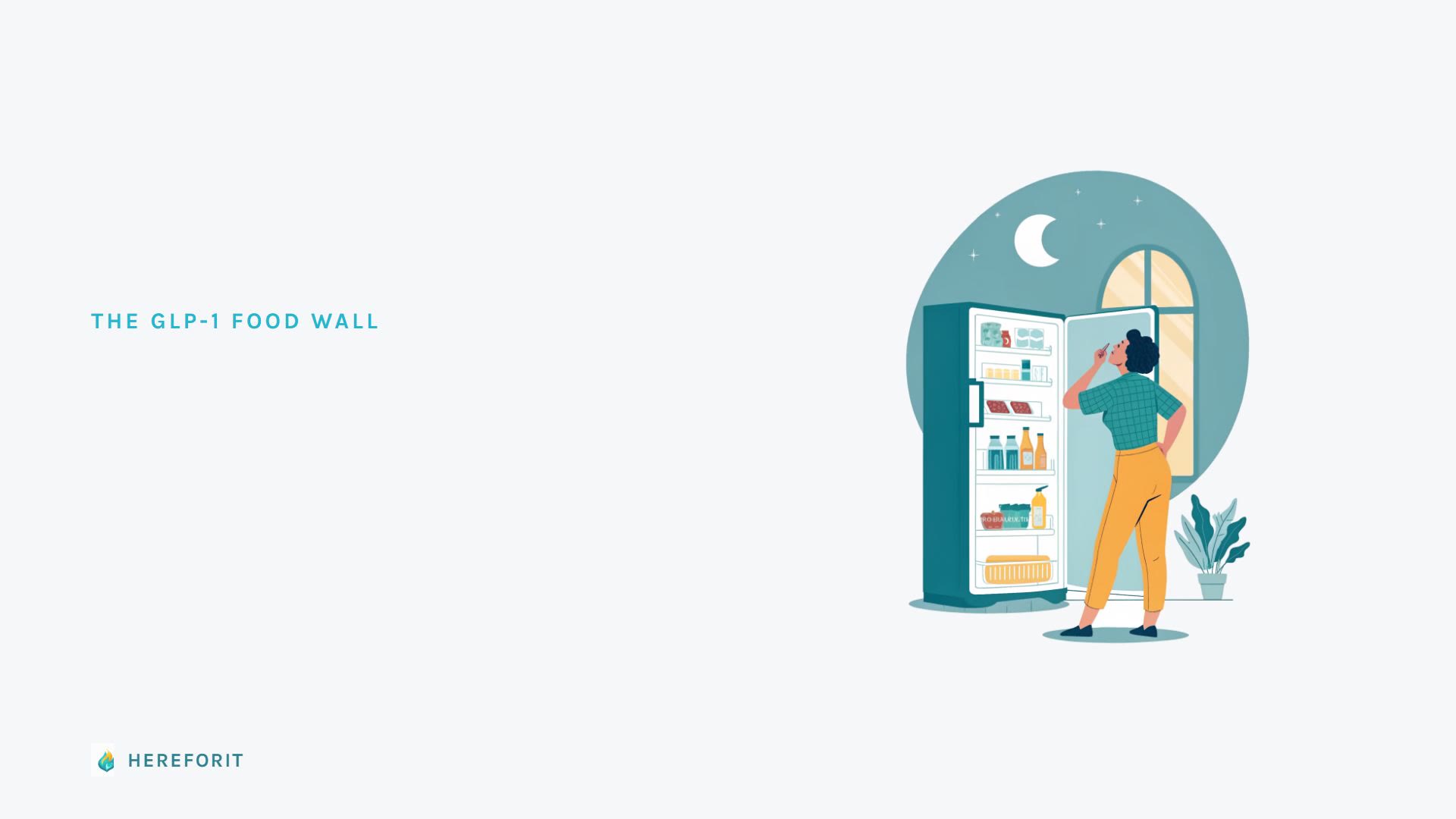
You are standing in the grocery store aisle, holding a classic “healthy” pre-packaged superfood salad. It is packed with raw kale, crunchy broccoli stalks, cabbage, and a creamy poppyseed dressing. In your pre-medication life, this was an undisputed health win.
But as you look at it, your stomach does a nervous little flip. You remember last week when a similar “healthy” meal left you feeling bloated, painfully full, and violently nauseous for twelve hours.
Welcome to one of the steepest learning curves of GLP-1 therapy: what used to be “healthy” can suddenly become your stomach’s worst nightmare. This is why standard food grades, calorie counters, and generic diet guides feel so utterly useless right now. Your body has a completely different physiological rulebook now — and it all centers around the science of slowed digestion.
Why the Rules of Satiety Have Changed
Every single bite you take on a medication like semaglutide or tirzepatide enters a highly modified digestive tract. The medication’s primary physical mechanism is delayed gastric emptying — it actively delays the speed at which your stomach releases food into your small intestine.
When appetite is low, our small-meal ideas for Ozempic offer options you can adapt to your tolerance.
Gastric emptying varies with the meal, medication, and person. The labels describe delayed emptying, not a universal number of hours that every meal stays in the stomach.
The Raw Fiber and Volume Trap
Large portions of raw, fibrous vegetables may worsen bloating for some people. Smaller portions or cooked vegetables can be easier to tolerate; nutritious raw foods are not automatically unsuitable.
The High-Fat Compound Delay
High-fat or greasy meals can worsen digestive discomfort for some people. That is a reason to notice your tolerance, not a promise that every such meal will cause severe symptoms.
For a flexible record of meals and fluids, see our GLP-1 tracking guide.
Enter the GLP-1 Compatibility Index
Because your body is playing a different game, it needs a different scoring system. That is where the GLP-1 Compatibility Index (GCI) comes in — often referred to by users as the “GLP-1 Food Score.”
The GCI is HereForIt’s proprietary food guidance tool. It organizes food characteristics and cycle context; it is not a clinically validated test of gastric emptying, nutrition quality, or personal tolerance.
A High-Scoring Food: The score favors choices such as cooked vegetables and lean protein sources. These can fit a balanced plan, but a high score does not measure gastric emptying or guarantee comfort.
A Low-Scoring Food: The score may flag greasy meals, large raw-vegetable portions, or carbonated drinks as potentially uncomfortable. This is general guidance, not a clinical finding that a food is unsuitable for you.
If symptoms are making daily life difficult, use our side-effects and red-flags guide to prepare a conversation with your clinician.
How to Work With Your Digestive Speed
Make Your Swaps Smart: Instead of raw salads, opt for warm, roasted vegetable bowls. Swap heavy, greasy cheeseburgers for a lean turkey burger plate. Instead of high-fat ice cream, choose cold, soothing Greek yogurt with a few berries.
Adjust Portions: A balanced plate can include vegetables, protein, and carbohydrates. Start with portions you tolerate rather than forcing a fixed plate ratio when appetite is low.
HereForIt includes the proprietary GLP-1 Compatibility Index as a planning aid. Compare its guidance with your own meal and symptom history; it cannot remove all uncertainty about what you will tolerate.
Visit hereforit.app to learn more.