For decades, diet culture has taught us that weight loss is a mathematical punishment. We were told to open an app, search a massive database, weigh every single blueberry, and aggressively stay under a strict, rigid calorie limit. It was tedious, stressful, and often felt like a second full-time job.
If you have tried to bring that exact same calorie-counting mindset into your GLP-1 journey, you have probably run into a wall of frustration.
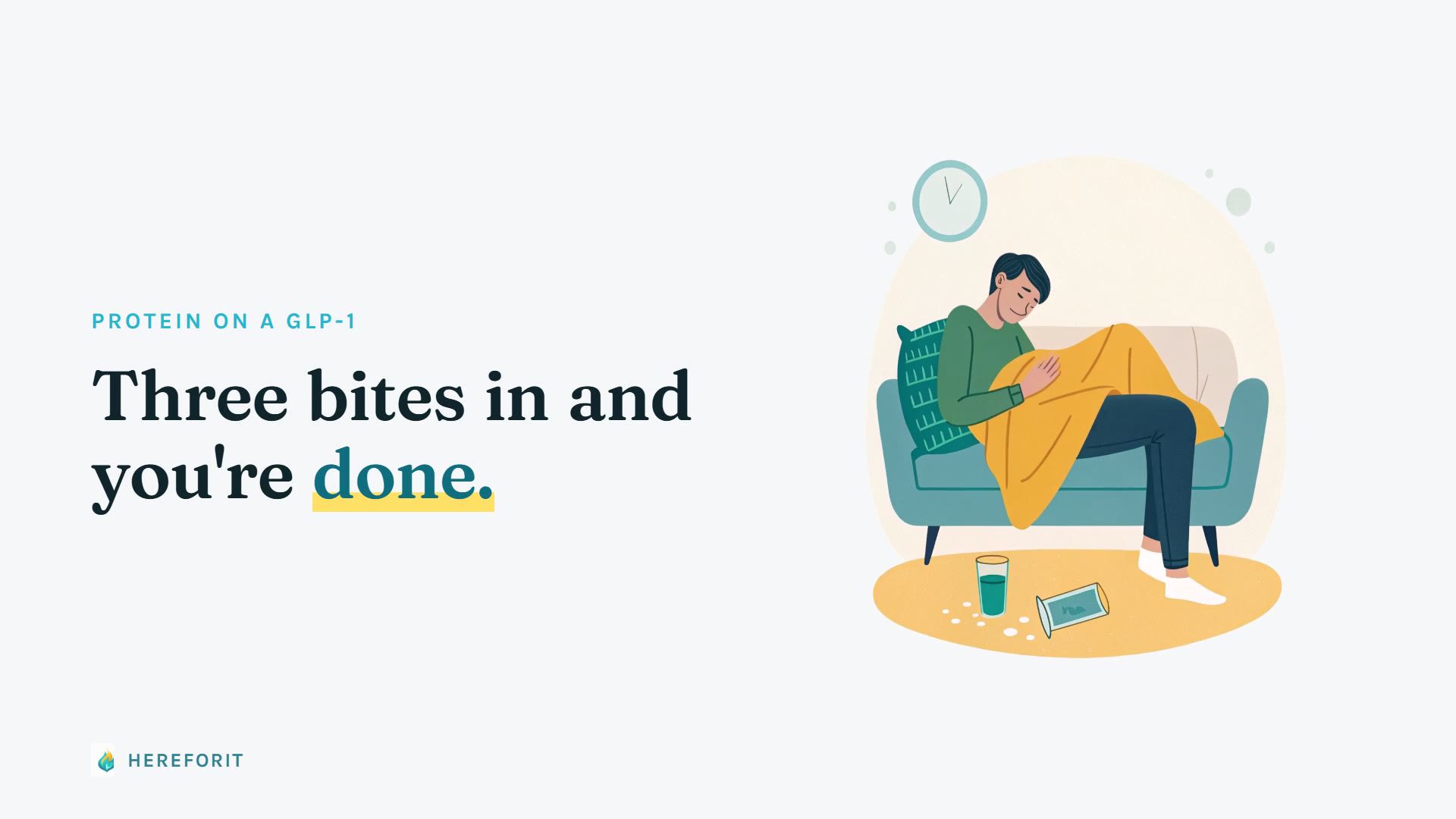
On a highly suppressed Day 2, forcing yourself to hit a generic 1,500-calorie target can feel physically sickening. On a transitional Day 6, watching your calories creep up can trigger intense, familiar waves of guilt.
Detailed calorie counting is not essential for everyone. GLP-1 treatment can reduce appetite, but adequate energy and nutrient intake still matter. Work with your care team on a tracking approach that supports your goals without unnecessary stress.
When Detailed Calorie Counting Is Not Helpful
Lower appetite can make it easier to eat less, but neither a calorie deficit nor sufficient nutrition is automatic. A simple meal log can help reveal under-fueling as well as excess intake.
For a practical way to plan small protein portions, see our guide to protein needs.
If you simply eat “less of everything” without looking at what you are eating, you are highly likely to slide into a protein deficit. When your body doesn’t get enough protein, it will eagerly break down your metabolically active skeletal muscle to get the amino acids it needs. This slows your metabolism, stalls your weight loss, and leaves you feeling completely wiped out.
Instead of tracking to limit your food, you must track to prioritize the essential nutrients your body cannot make on its own.
The Macro Metrics That Actually Matter
When you open your tracking tool, shift your gaze away from the total calorie circle and focus entirely on these three critical anchors:
1. The Protein Goal (The Muscle Shield)
Protein is a useful daily priority when appetite is low. Ask your dietitian for a target and spread foods you tolerate across the day; protein supports muscle health without guaranteeing fat-only weight loss.
When appetite is low, our small-meal ideas for Ozempic offer options you can adapt to your tolerance.
Adequate protein and resistance exercise can support strength. Persistent fatigue or hair shedding deserves assessment rather than being assumed to resolve with protein alone.
2. Hydration and Electrolytes
Low intake, vomiting, or diarrhea can contribute to dehydration. Sip fluids regularly and ask about a personal fluid target; electrolyte supplements are not necessary for everyone.
3. Gentle, Easy-to-Digest Carbohydrates
Carbohydrates can be part of balanced meals. Choose foods and portions you tolerate, such as oatmeal, potatoes, or fruit. No food swap guarantees stable blood sugar.
Nutrition works alongside movement; our guide to protecting strength explains lean mass and resistance exercise.
A Mindful, Stress-Free Way to Log
Tracking should support your mental health, not stress you out. If typing in every single ingredient feels like a chore, switch to a more visual, intuitive approach.
Simply taking a photo of your plate allows you to capture your meals in seconds. Rather than hyper-focusing on exact decimal points, use the photo to perform a quick visual audit: Is there a clear source of lean protein here? Are my vegetables well-cooked and easy on my stomach? Am I hydrated?
Reframing tracking as a supportive “check-in” rather than a calorie prison allows you to build a peaceful, lifelong relationship with food.
HereForIt allows you to log meals simply by snapping a photo. Ember automatically identifies the ingredients, estimates the nutrition, and tracks your progress toward a dedicated Muscle Preservation Score — no tedious database searches required.
Visit hereforit.app to learn more.