It is Friday night. You sit down at a lively restaurant with friends, order your usual glass of Cabernet Sauvignon, and take a celebratory first sip. But something feels fundamentally different.
Halfway through the glass, you realize you don’t really want the rest of it. The taste is strangely unappealing, and that familiar, warm relaxation — the gentle “buzz” of a long week melting away — is completely missing.
If you have experienced this on a GLP-1 medication, you are not alone. The relationship between GLP-1 therapies and alcohol is one of the most widely discussed topics in the community, yet it is shrouded in confusing, sometimes dangerous misinformation.
What Research Can Tell Us About Alcohol
If symptoms are making daily life difficult, use our side-effects and red-flags guide to prepare a conversation with your clinician.
Some people report less interest in alcohol during GLP-1 treatment. A small randomized trial of semaglutide in adults with alcohol use disorder found reductions in some drinking and craving measures. These early findings do not establish the same response for every person or every medication.
GLP-1 medications can delay gastric emptying, but it is too strong to describe alcohol as predictably “trapped” and then released all at once. Research on drinking behavior does not establish a safe drinking or driving schedule.
The Hidden Trap: “Chasing the Buzz”
If a drink feels less rewarding, do not drink faster or more to compensate. Feeling little or no buzz does not reliably tell you your alcohol level or whether you are impaired. Avoid driving after drinking.
Sleep can affect daily wellbeing; our sleep-changes guide separates possible contributors from uncertain explanations.
Alcohol and Digestive Symptoms
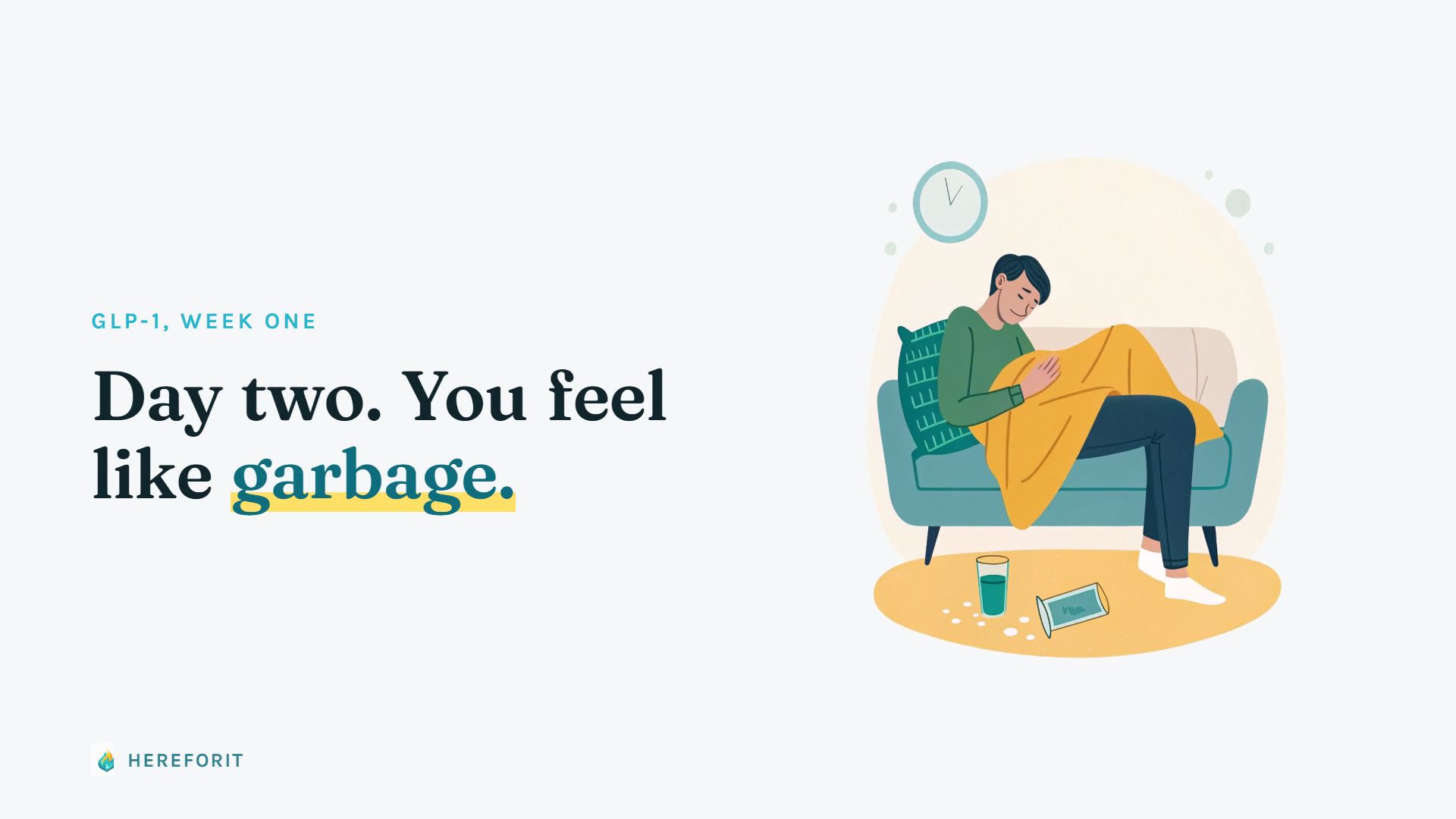
Alcohol may worsen nausea, reflux, or dehydration. If you already feel unwell, skipping alcohol can help avoid adding to the problem. Discuss alcohol with your clinician, particularly if you also take insulin or a sulfonylurea, which increase hypoglycemia risk during GLP-1 treatment.
Empathic Rules for Mindful Social Drinking
You do not have to banish socializing, but you must move with a new level of self-awareness:
If changes affect your mood, our mental-health guide discusses what is known and when to seek support.
Perform a Loving Symptom Check: Before you order a drink, ask your body how it feels. Am I already slightly nauseous today? Am I hydrated? Am I in my dose-escalation week? If you feel even slightly off, protect your comfort and choose a sparkling water with lime instead.
Ask About Your Own Risk: Eating and drinking water do not make alcohol risk-free. Ask your clinician how your conditions, meals, and medications affect drinking safety.
Pace, Don’t Chase: If your clinician says drinking is appropriate, avoid rapid drinking and stop if you feel unwell. No drinks-per-hour rule guarantees safety.
Notice Your Tolerance: Sugary mixers or carbonation may worsen discomfort for some people. No particular alcoholic drink is reliably safer or better tolerated for everyone.